The Associated Press visited Wine Country vineyards in March 2025 and found something more interesting than a robot: a stack. At Redwood Empire Vineyard Management in Geyserville, Sonoma County, partner and viticulturist Tyler Klick had assembled layers of technology that each handle one job, and the combination is the story.
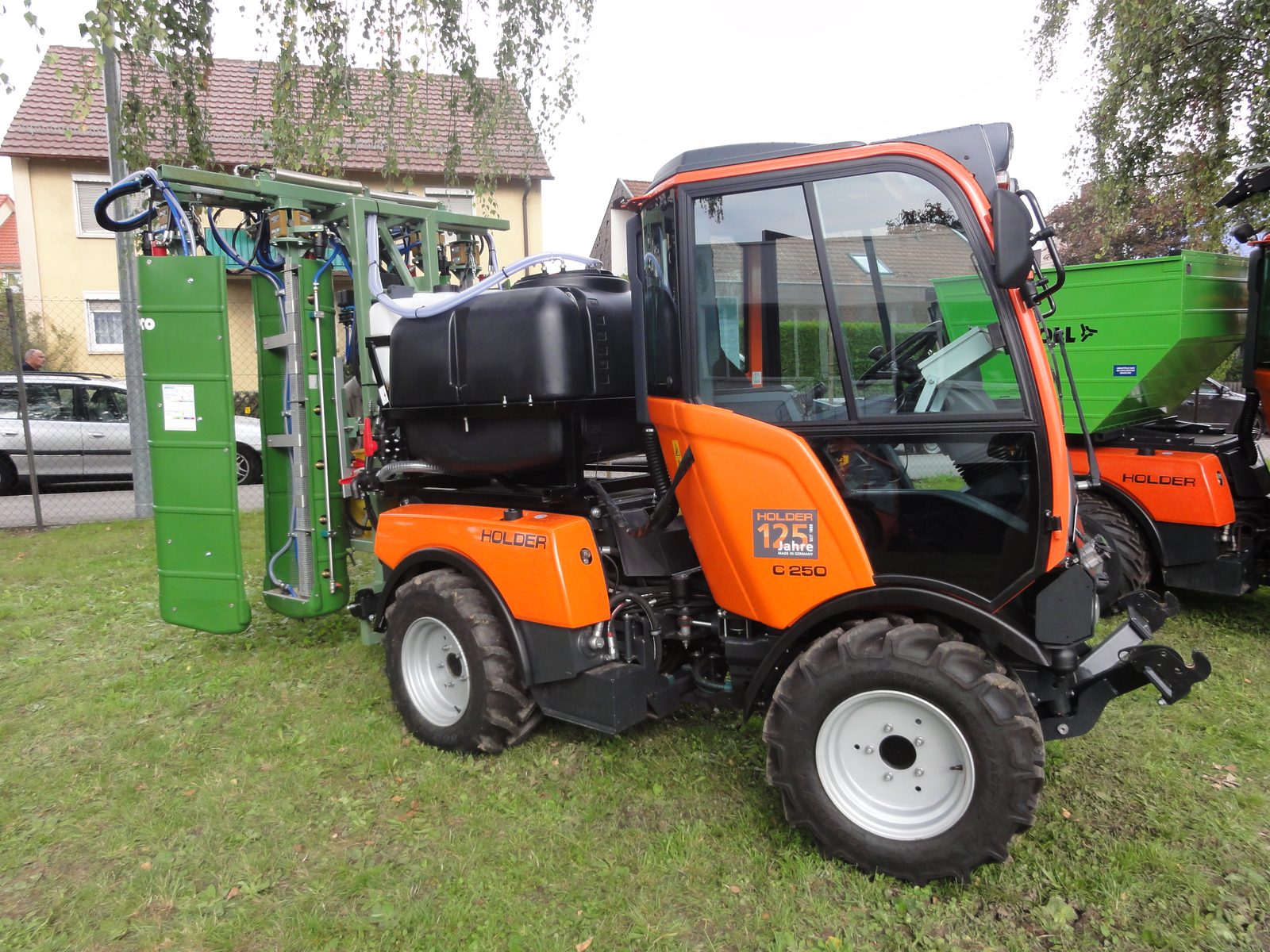
The spray layer uses LiDAR sensing paired with Smart Apply's Intelligent Spray Control System, a retrofit for air-blast sprayers that adjusts spray output vine by vine instead of blanketing the row. Smart Apply was acquired by John Deere in 2023. The sensing layer is Agrology's Arbiter system, which tracks soil respiration and temperature among other ground-level signals. The water layer is Lumo's smart irrigation valves, deployed in a Cabernet vineyard, giving block-level control over irrigation sets from a wireless, cloud-managed system.
None of these tools is a general intelligence. Each is a narrow system that converts one kind of measurement into one kind of decision: where the canopy is, what the soil is doing, when the water flows. The grower's job becomes integration: deciding which layer to trust, in which block, in which week.
That integration work is the underreported reality of agricultural AI. Vendor announcements present individual products as transformations; in practice, adoption looks like Klick's operation, a careful accumulation of point solutions whose value depends on the operator's judgment. The AP's reporting is valuable precisely because it documents the stack rather than the demo.
The same reporting found parallel adoption in Napa Valley. Tom Gamble, a third-generation Napa farmer, had purchased an autonomous tractor and was using its AI sensor suite to map his vineyard, with plans to deploy the self-driving feature in spring 2025. The AP did not name the tractor brand in the excerpts reviewed, and this publication will not fill in that blank from assumption.
There are reasons to be careful with a March 2025 snapshot. Deployments evolve: pilots expand, stall, or get replaced, and a tool present in one season may be gone the next. The stack described here is a documented moment, not a permanent endorsement. Readers should treat it as evidence that layered adoption is real, and verify current deployments before making purchasing decisions.
The pattern also clarifies where the value accrues. The spray system saves chemistry. The soil sensing informs irrigation and carbon decisions. The valves save water and labor. Each layer has its own return-on-investment logic, which is why growers adopt them independently rather than waiting for a unified platform. The "AI vineyard" is not one product. It is a portfolio, assembled by the grower, and the grower's skill in assembling it is the actual technology story.
Hardware coverage of the sprayer retrofit and autonomous tractors belongs to our sibling publication NAPA ROBOTICS. This publication follows the data: what the sensors measure, what the models recommend, and whether the decisions improve.