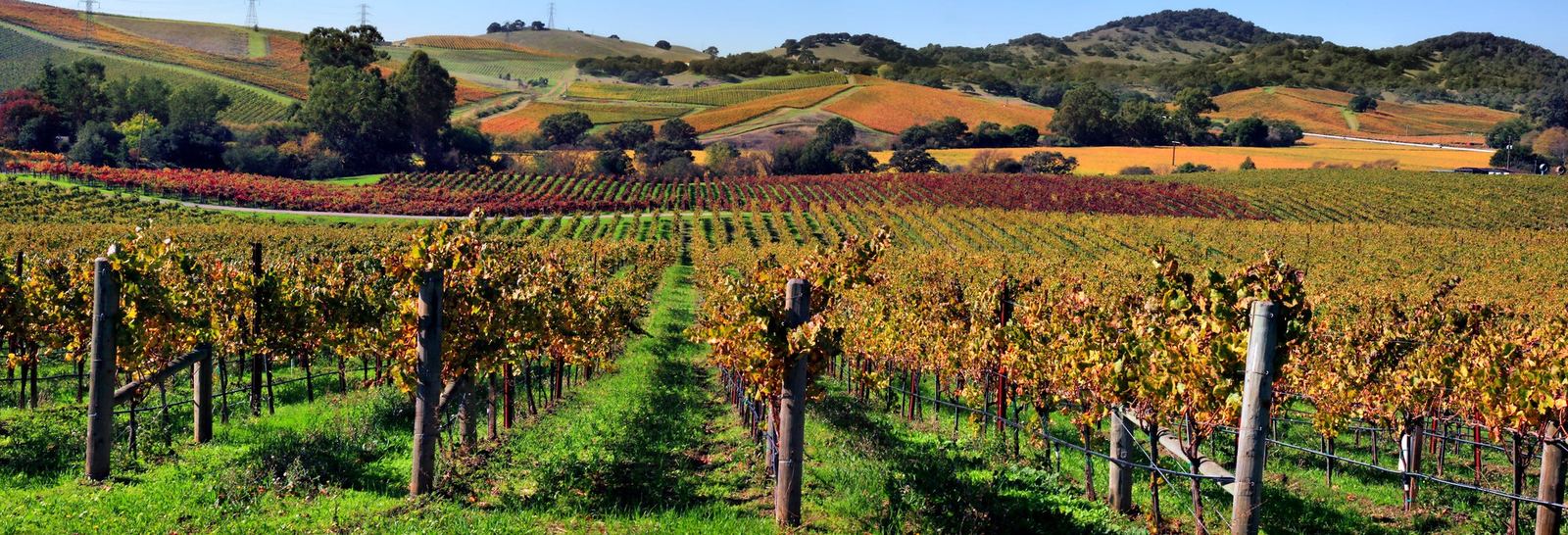
On October 29, 2026, DRINKS launched the ANYWHERE Supplier Network, a program that lets online merchants offer beverage alcohol from multiple licensed wineries and retailers in a single checkout. Three Napa Valley producers, Cakebread Cellars, the PlumpJack Collection of Wineries and Clif Family Winery, are joining the supplier side of the network, according to the company announcement.
The product is a transaction layer, not a storefront. A merchant adds alcohol from several licensed sellers to one cart through one integration. Each supplier-specific sub-order is then checked on its own, in real time, against licensing, tax, age verification and shipping requirements, and routed to the licensed seller that fulfills it. If one sub-order fails a regulatory check, that sub-order is held while the rest of the order proceeds.
The scale claims in the announcement are the company own figures and should be read as such. DRINKS puts the cumulative totals for its ANYWHERE commerce and ASSURE regulatory platforms at 14 million online alcohol transactions and over $1.3 billion in value moved. It also says integrations with Shopify and Commerce7 let wineries and retailers join without building a separate connection for each merchant, while suppliers keep control of their products, pricing and fulfillment, and merchants need neither licenses nor inventory.
The reason this launch belongs on an AI beat is the argument DRINKS makes about who, or what, does the buying next. The company says its transaction layer is built to support AI-driven and agentic commerce, in which shopping software discovers products and starts checkouts for a customer.
Collier point, as the announcement frames it, is a legal one. Software can find a bottle and start a purchase, but it cannot hold an alcohol license, stand as seller of record, or be the buyer of record. Behind any agent-initiated order there still has to be a licensed seller on one side and an age-verified adult on the other, and ANYWHERE is pitched as the compliant, machine-readable connection between them.
For Napa Valley, the practical question is distribution. A small winery sells most profitably direct, but direct has historically meant its own website, its own compliance work and its own traffic. A network that puts licensed Napa producers inside the carts of other merchants, with compliance handled between the parties, is a different channel: less control over the storefront, more reach beyond it. The announcement notes that brands and platforms including Instacart, Quince, UrbanStems and Half Baked Harvest already feature alcohol products through ANYWHERE.
Two recognitions arrived with the launch. DRINKS also reported two recognitions arriving with the launch: a second straight year, 2026, on the Inc. Power Partner list, and elevation to the Shopify Platinum Partner tier. Neither changes how the network works, but both speak to the company position inside mainstream e-commerce tooling rather than at the wine industry edge.
What the announcement does not provide is pricing for suppliers, the number of merchants live on the multi-supplier checkout today, or sales results for the Napa producers named. Those are the numbers that will decide whether the network is infrastructure or announcement. This publication will track the supplier list and ask for them.